
Lead generation is the marketing strategy that helps you attract potential customers who are genuinely interested in your products or services. Through a series of marketing techniques, a lead can then become an actual customer.
What is lead generation?
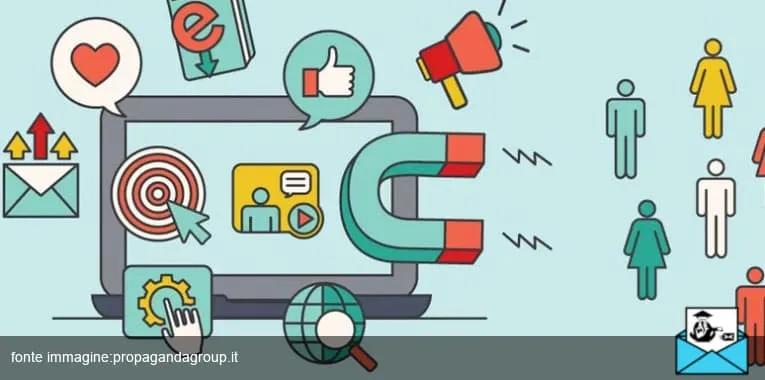
It is the set of techniques and strategies that get a potentially interested user to leave their contact details and, from there, build a personal relationship with a brand.
In the past, this was done through traditional advertising: call center outreach, commercials with a call to action, or simply word of mouth.
Online communication has transformed the way businesses acquire customers, in other words lead generation. Today, the first contact with a potential buyer almost always happens on the web.
The stages of lead generation
Turning a potentially interested user into a loyal customer takes a few stages.
The first step in lead generation is to attract: make yourself easy to find on social media and search engines. Then convert the users who found you into leads, getting them to share their details with you voluntarily. Finally, strengthen your relationship with them through targeted, valuable content and turn them into customers.
Lead qualification and lead nurturing: the next step
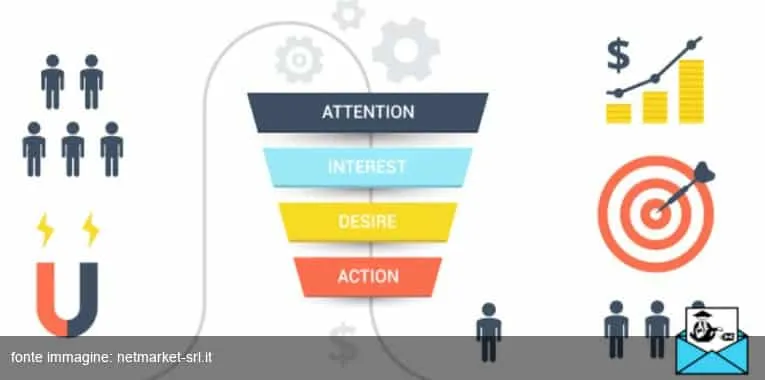
When people talk about lead generation, they often mention the funnel. The term describes the shrinking number of people who are first attracted to your brand, then become interested in it and finally become customers.
Lead qualification means classifying the contacts you have collected, so you can create targeted, valuable content. Lead nurturing, on the other hand, turns interested prospects into repeat customers. How? You can offer them deals they cannot miss, make them part of your community and give them a taste of your expertise.
Strategies to apply
How do you attract the right users and build a network of genuinely interested prospects? There are many lead generation strategies, and the right ones depend on the product or service you offer. Here are a few examples:
- SEO (Search Engine Optimization). Creating content that ranks well on search engines is the first step to being found by people interested in your product.
- SEA (Search Engine Advertising). Running targeted ad campaigns on the major search engines or social networks also brings a steady flow of on-target prospects.
- Newsletter. When users who land on your website can subscribe to a newsletter, their email address goes straight into the company’s database. It is a very common and effective lead generation technique.
- Freebie. Another way to collect and organize data on potential customers is to offer them free content in exchange for their email address, usually a short e-book or a video lesson.
The results of lead generation
The ultimate goal of lead generation is to turn a “cold” contact, someone only vaguely interested in your products and services, into a “warm” customer with a high likelihood of buying.