
In computing, a banner is a graphic element, usually rectangular, that contains an advertising message. Banners are most often placed at the top of a web page.
What is a banner and what is it for?
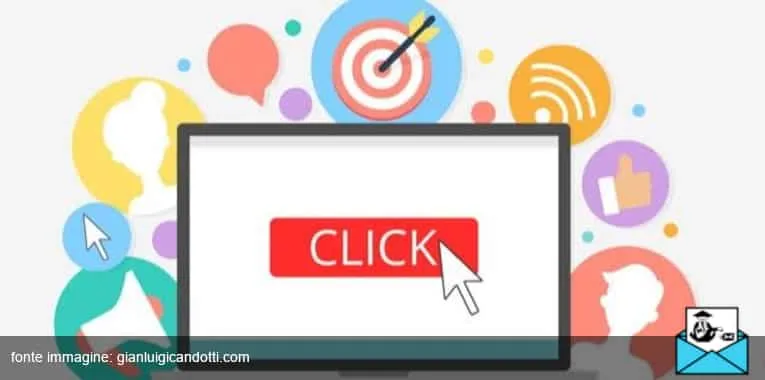
The meaning of the word banner is literally a flag, standard or sign.
In fact, a banner is nothing more than an image, usually a strip, that serves a specific purpose: catching the user’s attention and delivering a specific piece of promotional content.
In short, it is one of the most widespread advertising tools on the internet. It is no coincidence that it dates back to the earliest days of the web.
So why has it been so successful? There are several reasons. First of all, it reaches a broad audience and can be taken in within a few seconds.
Types of banners
According to IMU (Interactive Marketing Unit) standards, there are 3 basic types of banners:
- rectangle/pop-up spaces or windows that open automatically – sizes 300×250, 250×250, 240×400, 336×280, 180×150;
- navigation banners or buttons rectangular in shape and preferably horizontal – sizes 468×60, 234×60, 88×31, 120×90, 120×60, 120×240, 125×125;
- skyscraper vertical banners – sizes 160×600, 120×600.
Banners can also be static, meaning they are simply read as displayed, or interactive, meaning they can be clicked through to a link.
How to create effective banner ads
As we have said, a banner has to inform and advertise.
To succeed, it has only one chance: winning over the visitor, convincing them to read what it shows and, in practice, getting them to stop and look at the banner itself.
Here are some useful tips for creating truly effective banners:
- Show your logo This matters especially if you run an online store or have a brand to promote. Your logo makes you recognizable.
- Choose an eye-catching design But be careful not to overdo it. Solid-color backgrounds and bright colors work best.
- Do not forget the call to action It is an essential resource for anyone working in web marketing. An effective call to action is absolutely indispensable for driving conversions.
Finally, remember to write messages that are direct, immediate and as simple as possible.