
A brand overlaps with a company’s trademark, but its definition has more to do with an abstract concept than with tangible qualities. The word brand has Germanic roots and later passed into English. In both languages the meaning of brand evokes fire and, by extension, branding something with a hot iron.
So what exactly is a brand?
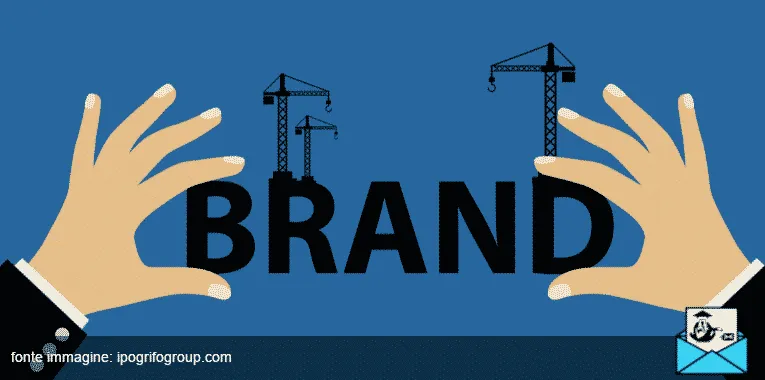
In the words of marketing experts Philip Kotler and Gary Armstrong, it is “everything a product or service represents to consumers“.
So the meaning of brand goes beyond the sum of a company’s logo, design, slogan and products to include the emotions they trigger.
It is not just the trademark, meaning the recognizable sign that protects the intellectual property of a product. It is also how consumers perceive that mark. In short, a brand has a lot to do with a company’s reputation.
What brand means in marketing
When you build your brand, you need distinctive features that make it stand out from everyone else. These certainly include your logo, company name and product packaging, but also the way you present it to the public.
This is where marketing strategy comes in: all the actions aimed at convincing prospects to buy your product or use your service rather than someone else’s.
Recognition of a brand inevitably depends on how you communicate with your existing and potential customers. What do they need, and how can your company solve it? How will they feel after buying your product? Which values draw people to your product or service?
Personal branding and beyond
To protect your brand reputation, you need to monitor everything people say about you, your company and your products.
Personal branding needs constant attention and should positively reflect the values that define your brand. Sustainability, reliability, a carefree spirit, high quality, durability: which of these attributes fit your brand philosophy?
Find out, then build on them to create the right logo, the font for your communications, your visual marketing images, your newsletter campaigns and the posts you publish on social media.
When people see your company’s visual and written messages, they should instantly recognize the values and feelings your brand stands for.
Strengthen the relationship between brand and customer
Customer experience is the whole journey that takes someone from seeing your brand for the first time to becoming a loyal customer.
To manage it well, you need to keep every step under control. Make sure your company website is optimized for search engines, so that people looking for a product find yours right away.
Then apply a lead generation strategy: turn interested users into paying customers through valuable communication and positive buying experiences.