
SERP stands for Search Engine Results Page: the page a search engine returns after you run a search. In other words, it is the ranked list of web pages that appears once you type one or more keywords (a query) into the search bar, whether online (Google, Yahoo, Bing and so on) or offline (as with archives, library catalogs, etc.).
What it is for and why it matters
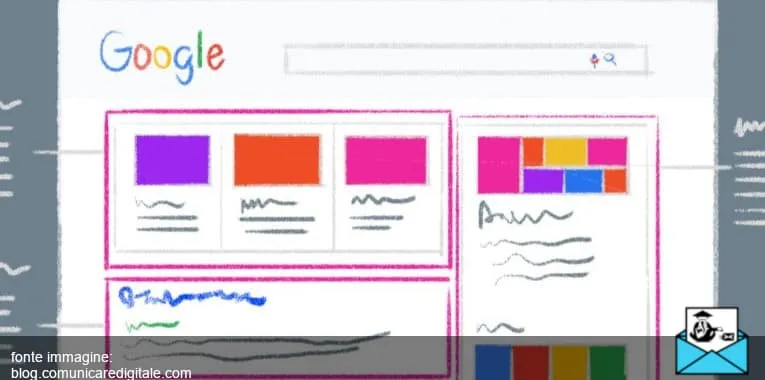
By now you have probably guessed that SERPs help users find what they are looking for online. They simply “point” people to the right place to get a complete answer to the question they asked the search engine.
The best-known SERP examples
Here are the most widely used search engines in the world, each of which leads you to its own Search Engine Results Page:
Each one has its own features and its own way of presenting results to the user.
What is behind a SERP?
The obvious next question is: how does a search engine show the right results to give users exactly what they want? Simple: it crawls the pages that exist on the web and stores them in a huge database (the so-called Google index).
Once they are in the index, pages are classified by topic. For every search, for example, Google returns roughly 10 pages of results, each containing 10 URLs related to the query.
Organic results vs. paid results

Not all the results on a SERP are the same. Put simply, they do not all carry the same weight. A Search Engine Results Page actually shows two types of content: “organic” results and paid results.
Organic results are the web pages “chosen” directly by the search engine through its algorithm.
So you do not have to pay to appear in the SERP as an organic result: you just need to meet the criteria that the algorithm rewards. In short, you have to win Google (or its competitors) over with the quality of your site.
That is not all: the SERP also includes paid results, which require the advertiser to invest money. In exchange for that fee, the platform gives a specific website more visibility.
How to improve your ranking
So how do you earn a highly visible position on the SERP? What can you do to make users click on your site rather than someone else’s? This is where specific techniques designed to improve search engine rankings come in. We are talking about SEO, or Search Engine Optimization: the set of marketing activities that make a website easier to find.
Unlike organic results, paid results fall under Search Engine Marketing (SEM). Here we are talking about advertising: sponsored messages designed to stand out to the user.
The winning approach? Find the right mix of SEO and SEM, and work with industry professionals (such as an SEO specialist) who can help your website get the visibility it deserves.