
In marketing, the target, or target audience, is the specific group of people that an advertising campaign, a brand or a landing page is designed to reach.
Why defining it matters
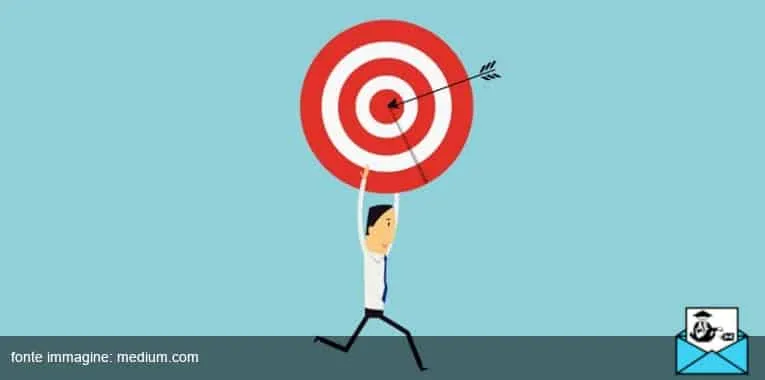
Every brand, big or small, should know its target audience. That knowledge shapes your email marketing campaigns, your website content and even your ads on traditional channels, so that you reach the right people.
For a business, of course, the “right person” is the one most likely to take an action that benefits it. That could mean buying a product or service, signing up for a newsletter or following the brand on social media.
Who is your target audience?
Start by learning who your typical customer is and how they behave. How old are they, where do they live, what are their interests and habits? How do they behave online and offline, which of their problems can you solve and which needs can you meet?
Answering these questions lets you give them exactly what they want in terms of offers, communication and the customer experience as a whole.
How to identify it
You can’t exactly knock on every customer’s door and interrogate them, right? Fortunately, the internet and its countless tools have made the process much simpler. Today you can learn almost everything about your typical user thanks to data analytics tools.
Some are available for virtually any website, such as Google Webmaster Tools, which shows you which pages your visitors land on most often and which keywords they search for. Or WordPress stats, which give you a fairly clear picture of where your readers come from, their geographic area and which device they use to browse your site.
Many social networks also provide valuable audience insights, showing who your posts reach most often and how.
Other ways to get to know your users
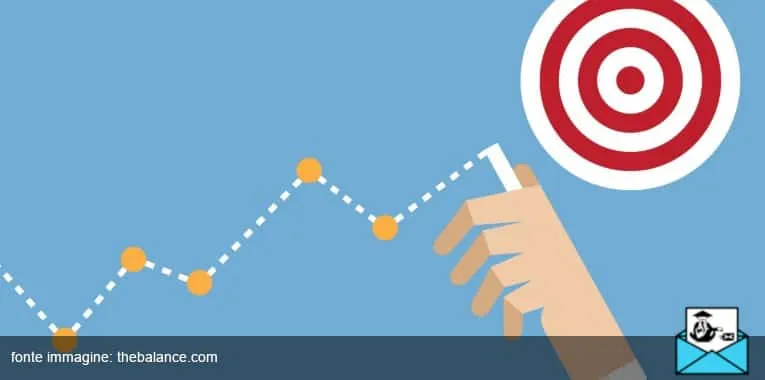
One simple technique that always works is to ask directly: send a survey to your newsletter subscribers. Or ask them a few questions (how old they are, which city they live in) when you offer them a freebie.
Another strategy is split testing. By sending two different versions of a message and analyzing their conversion rate, you’ll find out what kind of language your prospects respond to best.
Audience segmentation
Knowing your target audience doesn’t mean drawing a static portrait of your typical customer. That customer can change over time, and your customers may be very different people who come to you for different reasons. You may also need to address a new audience as part of a rebrand.
Enter segmentation: creating several customer profiles, each representing a group of users who differ by age, location and buying habits.
Why know and segment your users?
In marketing, this is a valuable asset you can apply in many situations:
- building separate contact lists;
- running targeted ads on social media;
- sending promotions tailored to a specific audience.